



Air Filter Maintenance Tips for Construction and Mining Equipment
Introduction
Construction sites and mining operations are among the most unforgiving environments any engine will ever face. Dust clouds rise constantly from excavation, drilling, hauling, and blasting. Engines run under heavy loads for long hours, and airborne debris is simply part of the job. In conditions like these, the Air Filter is not a routine service component—it is a critical protection system that stands between your engine and the abrasive particles that would otherwise destroy it.
Engines consume enormous volumes of air. For every litre of diesel burned, an engine pulls in approximately 15,000 litres of air. In a mining or construction environment, that air is saturated with fine silica dust, coal particles, and other contaminants. If filtration is inadequate, those particles enter the engine and begin causing damage almost immediately. A pinhole leak in an Air Filter can clog an engine with dust, leading to premature wear of pistons and cylinders. Statistics show that 70% of early engine failures in construction machinery are related to air filtration problems.
A well-maintained Air Filter does more than simply keep dust out. It preserves the balanced air-fuel mixture that engines rely on for efficient combustion. When airflow becomes contaminated or restricted, fuel consumption increases, power output drops, and maintenance intervals shorten. A study by Cummins found that the right combination of engine protection products can extend engine service intervals by up to four times. The reverse is equally true: a neglected Air Filter quietly chips away at fuel economy and accelerates internal wear day after day.
The consequences of neglecting Air Filter maintenance extend far beyond the filter itself. Contaminated oil, premature turbocharger wear, and reduced engine life all trace back to inadequate filtration. In remote mining locations or busy construction sites, unexpected machine failures bring operations to a standstill, and delays quickly translate into lost productivity. Conversely, disciplined Air Filter maintenance—combined with high-quality filtration products—can deliver remarkable results. One West Virginia coal operation reported a haul truck engine running for over 51,000 hours without a rebuild, attributing the achievement to a robust maintenance program and consistent use of premium Air Filters.
This article provides practical Air Filter maintenance guidance for construction and mining equipment owners, fleet managers, and maintenance professionals. From recognizing the warning signs of a clogged filter to establishing effective replacement schedules and dust-control strategies, the following sections will help you protect your equipment, reduce downtime, and extend engine life in the most demanding working conditions.
Key Signs Your Air Filter Needs Attention
A clogged Air Filter rarely fails without warning. Instead, it sends a series of escalating signals that operators and maintenance teams can learn to recognize. In construction and mining environments, where airborne dust concentrations can reach levels that would clog a passenger car filter within days, catching these signs early is the difference between a routine filter change and a major engine repair. As diesel filtration specialists note, "recognizing the early warning signs of a clogged or worn Air Filter helps equipment operators prevent engine damage and maintain reliable performance".
Visible Dust Buildup or Clogging on the Air Filter Media
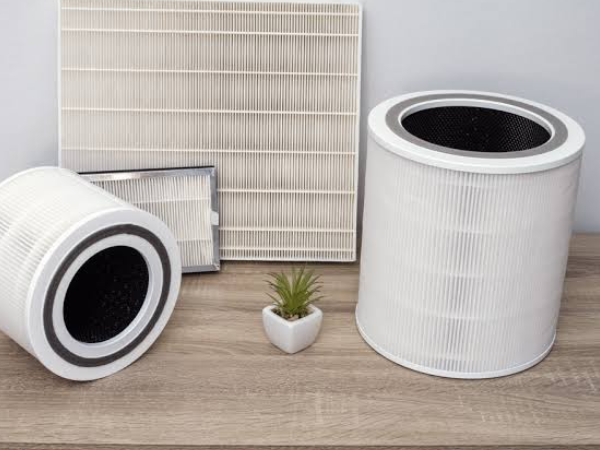
The most direct and reliable indicator of a Air Filter that needs attention is what you can see with your own eyes. When you remove the filter and hold it up to a light source, a clean element allows light to pass through its pleats. A filter that is loaded with dust will appear dark, opaque, and visibly coated across the entire media surface. Construction machinery operators should look for dust clumping within the pleats, deformed or collapsed pleat structures, or obvious blockage when backlit. In severe cases, the filter may show evidence of moisture damage, oil contamination, or physical tears—any of which compromise filtration integrity and require immediate replacement.
Visual inspection is particularly important because it catches problems that sensor-based systems may not detect immediately. A filter can begin to bypass contaminants through a damaged seal or torn media before the restriction indicator reaches its service threshold. Maintenance guidelines recommend checking the filter for "visible accumulation of dust, lint, hair, or debris on the filter surface," as well as inspecting the pleated media face for separation or damage. For equipment operating in demolition, quarrying, or unpaved road conditions, filter loading can reach critical levels far sooner than calendar-based schedules suggest, making regular visual checks an essential habit.
Reduced Engine Power, Poor Acceleration, or Increased Fuel Consumption
When a Air Filter becomes restricted, the engine cannot draw enough air to support efficient combustion. The result is a measurable decline in performance. Operators of heavy machinery often notice this first as sluggish acceleration, difficulty maintaining speed under load, or a general sense that the machine "feels less responsive." As one industry source explains, "when airflow becomes restricted, the engine receives less oxygen during combustion. This imbalance can reduce power output and make equipment feel less responsive during operation". In severe cases, the engine may derate automatically to protect itself, further reducing available horsepower.
Increased fuel consumption is the companion symptom of power loss. When the engine senses insufficient air, it may compensate by increasing fuel injection to maintain output—resulting in a richer, less efficient air-fuel mixture. For fleet operators, even a small percentage increase in fuel usage across multiple machines translates into significant long-term operating expenses. UFI Filters notes that clogged Air Filters cause "an evident increase in fuel consumption, as the clogging of the filter causes a reduction in power, with the tendency for the driver to accelerate harder". If you find yourself pressing the throttle harder to accomplish the same work, the Air Filter deserves immediate inspection.
Unusual Engine Noises or Black Smoke from the Exhaust
Audible and visible symptoms often accompany the performance decline. A restricted Air Filter can produce unusual intake noises—whistling, louder turbocharger whine, or irregular engine response—as air struggles through the clogged media. These sounds indicate increased intake resistance and should prompt an immediate filter check. Turbocharged engines are especially sensitive; the turbo must work harder to draw air through a restricted filter, accelerating wear on the compressor wheel.
Black exhaust smoke is perhaps the most alarming sign of Air Filter neglect. When insufficient air reaches the combustion chamber, the air-fuel mixture becomes overly rich, leading to incomplete combustion and visible black smoke from the exhaust. As one technical source explains, "black smoke can be caused by a shortage of air, just as much as it can be caused by excess fuel delivered by the pump". While several mechanical issues can produce black smoke, a heavily clogged Air Filter is often the first component technicians should inspect. Left unaddressed, this condition leads to carbon buildup, cylinder liner wear, and eventually, catastrophic engine failure.
Modern equipment increasingly includes electronic monitoring to supplement operator observation. Caterpillar's remaining useful life (RUL) sensor, for example, continuously monitors pressure differential across the Air Filter and alerts operators at 30% remaining life with a "service soon" message, and at 10% with a "service required" alert. Cummins Fleetguard FIT LED indicators similarly change color from green to yellow to red based on restriction levels, providing "visual, accurate information for timely maintenance decisions". Whether your equipment relies on electronic sensors or manual inspection, the principle remains the same: act on the signs before they escalate into failures.
How Often to Inspect and Replace Your Air Filter
There is no single answer to the question of how often an Air Filter should be inspected or replaced. The correct interval depends on the equipment, the operating environment, and the filtration system design. What works for a wheel loader on a paved municipal site will not work for a haul truck in an open-pit mine. The key is to establish a schedule based on manufacturer guidance, then adjust it according to actual dust exposure and restriction readings.
Follow the Manufacturer's Recommended Service Intervals for Your Air Filter
Every piece of construction and mining equipment comes with a manufacturer-specified maintenance schedule. These intervals are developed through testing and field experience, and they provide a reliable starting point for Air Filter maintenance planning. For example, Bobcat specifies that its outer air filter should be replaced every 500 hours. CASE Construction recommends changing both air cleaner elements at 500 hours of operation or when the air restriction indicator illuminates. SANY's OEM air filter for SKT90 series dump trucks carries a recommended replacement interval of 1,000 operating hours, or whenever the restriction indicator reaches 5 kPa.
These manufacturer intervals assume "normal" operating conditions. As Caterpillar explains, equipment filters working in low dust conditions last longer, while highly contaminated air may require earlier changes to ensure full airflow and engine power. The manufacturer's schedule is not a suggestion to be ignored—it is a baseline that protects your warranty and ensures the engine receives adequate filtration. But it is also not a rigid rule that should be followed blindly when conditions are clearly more severe than normal.
Increase Inspection Frequency in High-Dust Environments Like Mining and Demolition
In mining, quarrying, demolition, and other high-dust applications, the standard inspection interval is rarely sufficient. Hengwang Group's maintenance guide for wheel excavators recommends inspecting filters every 200 to 300 hours, or monthly, in mining and dusty environments, and replacing immediately if surface dust accumulation exceeds 30% or obvious blackening occurs. For heavy-duty trucks operating in overseas sand and dust environments, maintenance guidelines recommend checking dust accumulation every one to three working days and replacing the filter element every 200 to 300 working hours.
Caterpillar advises checking the Air Filter service indicator every 250 hours in normal conditions, but daily if dust is severe. In extreme environments, such as open-pit mines where airborne dust concentrations can exceed 100 mg/m³, the filter load accumulates far more rapidly than the calendar suggests. A filter that would last a full season on a highway project may become restricted in weeks on a mining site. The practical approach is to treat the manufacturer's interval as the maximum, not the target, and to inspect more frequently whenever dust conditions are visibly heavy.
Replace the Air Filter at Least Annually or After Every 500 Hours of Operation
Regardless of how clean the operating environment appears, two absolute limits apply to Air Filter replacement. First, the filter should be replaced at least once per year. Caterpillar states clearly that "the air cleaner element should be replaced at least one time per year. This replacement should be performed regardless of the number of cleanings". Komatsu's manual for the PC3000-6 hydraulic mining shovel specifies that main filter elements should be replaced after three cleanings or annually, whichever occurs first.
Second, the filter should be replaced after approximately 500 operating hours in typical construction conditions, and sooner in severe dust. While some OEM filters are rated for longer intervals—SANY's filter, for instance, can reach 1,000 hours under controlled conditions—the 500-hour mark represents a safe and widely accepted replacement point for most heavy equipment operating in real-world conditions. Cummins recommends air filter replacement every 500 hours for normal operating conditions and every 250 hours for harsh environments such as construction sites and dusty roads. When these two limits—annual replacement and 500-hour replacement—are combined with restriction indicator readings, you have a complete framework for Air Filter service that protects the engine without wasting filter life.
Cleaning vs. Replacing: Best Practices for Air Filter Care
The decision to clean or replace an Air Filter is one of the most consequential choices in heavy equipment maintenance. It is also one of the most misunderstood. Many operators and maintenance teams default to cleaning because it appears to save money in the short term. But improper cleaning methods can silently destroy a filter's ability to protect the engine, turning a minor cost saving into a major repair bill. The right approach depends on three factors: whether the filter is reusable, what condition it is in, and whether the cleaning method itself is safe.
Determine if Your Air Filter is Reusable or Disposable Before Cleaning
Not every Air Filter is designed to be cleaned and reused. The first step is to determine what type of filter you are working with. Most heavy equipment uses a two-stage filtration system: an outer primary element and an inner safety element. The primary element may be cleanable under certain conditions, but the safety element should never be cleaned—it should only be replaced. Donaldson and other manufacturers are explicit on this point: the safety filter exists as a backup barrier, and cleaning it risks compromising the final line of defense for the engine.
Even for cleanable primary elements, there is a limit. Kobelco's operation manuals for models such as the SK140SRLC-7 specify that the outer element can be cleaned up to a certain number of times—typically six to ten cleanings—before it must be replaced, or after one year of service, whichever comes first. Beyond that point, the media has degraded even if it appears intact. As one practical guide puts it, "a filter that looks filthy is not automatically used up. Restriction tells you when to service it, not the calendar and not your eyes". The light test is a quick and reliable way to assess condition: in a dark area, shine a light through the filter. Even, soft light indicates intact media. Bright pinpoints or streaks reveal holes or thinning that make the filter unfit for continued service.
Use Low-Pressure Air or Gentle Brushing for Reusable Air Filters; Never Use Water
If a filter is determined to be reusable and structurally sound, the cleaning method must be controlled and deliberate. Caterpillar's engineering experts state plainly that they "advise against cleaning entirely, not only because of the risks to critical systems, but because it can void customer warranty especially using some of the common DIY methods". For operators who choose to clean sound filters anyway, the technical requirements are strict.
Compressed air is the most widely used method, but pressure must be kept low. Kobelco specifies 0.2 MPa (29 psi) or less when blowing out filters. Caterpillar's manual warns that using compressed air over 30 psi can tear the media, creating tiny, unnoticeable holes that allow contaminants to bypass the filter entirely. The air nozzle should be kept at a safe distance from the media, and the airstream should be directed from the clean side to the dirty side to push dust out rather than drive it deeper. Tapping the filter against a hard surface—a tire, a workbench, or the ground—is equally dangerous. It can create small, undetected tears and damage the internal seals. Scraping or brushing with tools breaks down paper fibers and opens the filter to more contaminants.
Water is never appropriate for cleaning dry-type Air Filters used on construction and mining equipment. Moisture can cause the media to swell, deform, or degrade, and it can promote the growth of mold and bacteria within the pleats. The same applies to oily or sooty contamination. If the filter media contains oil film, fuel odor, or caked sooty mud, the filter is spent—no amount of air or brushing will restore it. Cleaning a filter that has been exposed to oil or soot simply pushes contaminants deeper into the fibers and creates a false sense of security.
Replace Disposable Air Filters When They Show Damage, Oil, or Heavy Contamination
Replacement is the only safe option when an Air Filter shows any of the following conditions: torn, thin, or soft media; a compromised radial seal that is cracked, hardened, or crushed; oil or soot saturation within the pleats; or persistent restriction after a thorough cleaning attempt. The seal check is particularly important. Run a finger around the radial seal—it should feel rubbery, firm, and spring back into shape. Dented, brittle, or cracked seals will not provide a reliable barrier against dust.
The cost calculus is straightforward. A clogged filter on a large machine can burn an extra 60 gallons of fuel in a single day, and the price of a new Air Filter is a fraction of the cost of a turbocharger replacement or an engine rebuild. As Caterpillar notes, "the cost of replacing a filter is minimal compared to the price of repairing or replacing your engine — or dealing with health issues". When in doubt, replace. A new filter restores full filtration efficiency from the moment of installation. A cleaned filter, even one that passes inspection, has a shortened remaining life and a degree of uncertainty that no maintenance team should accept on a machine operating in silica-laden dust.
For equipment operating in heavy dust, the most cost-effective strategy is not to stretch filter life through aggressive cleaning, but to clean sound filters frequently and replace them when they truly fail. This approach keeps airflow unrestricted, protects the engine, and avoids the hidden costs of a compromised filter.
Proper Air Filter Installation Tips for Heavy Equipment
Installing an Air Filter correctly is just as important as choosing the right one. Even a premium filter will fail to protect the engine if it is seated improperly, oriented incorrectly, or installed with a compromised seal. In construction and mining applications, where a single dust leak can lead to accelerated engine wear, installation discipline is not optional. The following practices are based on recommendations from leading filtration manufacturers and equipment OEMs.
Ensure a Proper Seal to Prevent Unfiltered Air from Bypassing the Air Filter
The seal is the most critical component of any Air Filter installation. If the filter does not seal completely against the housing, unfiltered air will bypass the media and carry abrasive dust directly into the engine. As Donaldson explains, "an improper gasket seal is one of the most common causes of engine contamination". The consequences are severe: engine manufacturers state that it takes only a few grams of dirt to "dust" an engine and cause irreversible damage.
Before installing a new Air Filter, clean the sealing surfaces thoroughly. Donaldson advises using a clean cloth to wipe the filter sealing surface and the inside of the outlet tube, because "contaminant on the sealing surface could hinder an effective seal and cause leakage". Hardened dirt ridges on the housing sealing surfaces must be completely removed, both on the top and bottom of the air cleaner housing. Inspect the new filter's gasket carefully—press it with your finger to confirm that it springs back promptly. A high-quality gasket is highly compressible and resilient, which allows it to distribute sealing pressure evenly and maintain a tight barrier under vibration and temperature changes.
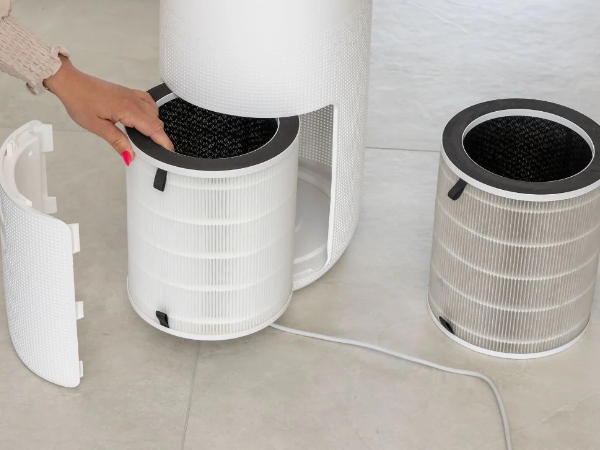
When inserting the filter, seat it by hand and make certain it is completely bottomed-out in the air cleaner housing before securing the cover. For radial seal filters, the critical sealing area will stretch slightly and adjust itself to distribute pressure evenly. Apply pressure at the outer rim of the filter, not the flexible center, and never use the service cover to push the filter into place. After installation, check all connections and ducts for an air-tight fit. All clamps and flange joints, from the air cleaner to the engine, must be tight, and any leaks should be sealed immediately.
Check for Correct Orientation and Tightness of Clamps and Housing
Correct orientation ensures that the filter seats properly and that airflow travels in the intended direction. Many Air Filters have an airflow direction arrow or a "UP" marking on the frame or end cap. Kubota's installation manual specifies installing the new filter "by direction mark" and ensuring the seal fits tightly. Toro's instructions for air cleaner covers specify installing the cover "with the side marked 'UP' facing up" before securing the latches. Failing to observe orientation markings can result in improper seating, bypass gaps, or damage to the filter and housing.
Clamp tightness is equally important. Donaldson recommends tightening the clamp around the outlet neck to a minimum torque of 0.7 daNm, and engaging the outlet neck over the intake piping for a full 38 mm to ensure a secure, lasting seal. For equipment with multiple clamps or latches, verify that each one is fully engaged and properly tensioned. Uneven clamping pressure can distort the filter frame or create localized gaps that allow dust to enter. After securing the housing, give the filter a gentle wiggle while pushing to confirm it is seated all the way in and that no movement is possible.
Never Operate Equipment Without an Air Filter in Place
This rule is absolute. Operating an engine without an Air Filter—even briefly—allows unfiltered air to enter the combustion chamber, causing rapid engine wear and possible catastrophic damage. Equipment manuals are unequivocal on this point: "Never operate the engine with the air filter element removed. This will allow unfiltered air to enter, causing rapid engine wear and possible engine damage". The same applies to running with only the inner safety element installed; severe engine damage will result from dust entering the engine.
The risks extend beyond the engine itself. Operating without a filter affects the air-fuel mixture, which can lead to poor performance, increased fuel consumption, and black exhaust smoke. For turbocharged engines, unfiltered debris can destroy the compressor wheel in a matter of minutes. If maintenance requires removing the Air Filter temporarily, cover the engine intake with a clean cloth to prevent contaminants from entering, and complete the service as quickly as possible. Never leave the inlet ducting exposed for longer than necessary.
A disciplined installation process—clean sealing surfaces, verified orientation, proper clamp torque, and a complete filter assembly—is the final and most important step in Air Filter maintenance. It ensures that all the effort invested in selecting, inspecting, and cleaning the filter translates into genuine engine protection.
Dust Control and Pre-Cleaner Strategies
Dust control is not just a matter of keeping equipment clean—it is a critical defense strategy for protecting engines in the most abrasive environments on earth. In construction and mining operations, airborne dust concentrations can exceed 100 mg/m³, and it only takes a single teaspoon of fine dust to destroy an engine. The most effective way to protect your Air Filter and extend its service life is to stop dust before it reaches the filter in the first place.
Install Pre-Cleaners or Dust Separators to Extend Air Filter Life
Pre-cleaners are devices installed at the very beginning of the air intake system. Their purpose is simple: remove the majority of heavy dust and debris from the incoming air before it reaches the primary Air Filter. By doing so, they dramatically reduce the contaminant load on the filter, allowing it to operate for longer periods without clogging.
The performance data on pre-cleaners is compelling. Donaldson's Donaspin Pre-Cleaner, designed specifically for equipment in very heavy dust environments such as mining equipment, removes up to 90% of dirt and contaminants before they reach the filter, and it ejects them automatically via the exhaust system. Donaldson's Strata Cap pre-cleaner goes even further, removing up to 96% of incoming contaminant per ISO 5011/SAE J726—the highest efficiency rating of any Donaldson self-contained pre-cleaner—and is designed for the most demanding heavy dust environments in the construction and mining industries. The SSG+ Donaclone air cleaner, used on heavy-duty haul trucks, features built-in pre-cleaning tubes that remove up to 97% of incoming dust.
Independent testing of Sy-Klone powered pre-cleaners, which use a motor and fan to actively separate dust before it reaches the filter, shows that these systems can extend engine Air Filter life by 200–400% and remove up to 95% of dust and debris. As James Moredock, founder of Sy-Klone International, explains, “The patented Sy-Klone separation effect actively manages air, creating a rotating column of dirty air, ejecting the heaviest dirt and debris from the filter housing before ever reaching the integrated filter”.
Pre-cleaners are available in several configurations. Powered pre-cleaners use a motor-driven fan to actively separate dust. Non-powered ejective pre-cleaners use the engine's intake vacuum and exhaust flow to eject contaminants. Bowl-type pre-cleaners collect separated debris in a see-through container for easy inspection and emptying. Regardless of type, the principle is the same: reduce the dust load on the primary Air Filter so it can perform its job more effectively and for a longer period.
Keep the Intake Area Clear of Debris and Inspect Regularly
Even the most efficient pre-cleaner cannot compensate for a blocked or damaged intake system. The air intake area—from the pre-cleaner inlet to the air cleaner housing—must be kept clear of debris at all times. Leaves, twigs, insects, and caked mud can obstruct airflow, forcing the engine to work harder and reducing the effectiveness of the Air Filter. Routine inspection should include checking the intake stack, pre-cleaner, and all ducting for obstructions.
Ducting integrity is equally important. Any leak in the intake piping will send dust directly to the engine, bypassing the Air Filter entirely. Inspect all hoses, clamps, and connections for cracks, loose fittings, or signs of wear. A streak of dust around a connection point is a clear indicator of a leak that must be repaired immediately. The cab air inlet should also be strategically located away from the equipment's dust sources to reduce dust loading on the filtration system.
For equipment operating in particularly harsh conditions, consider adding a protective screen or pre-filter over the intake to catch large debris before it reaches the primary Air Filter. This simple, low-cost addition can significantly extend filter life and reduce maintenance frequency.
Use High-Capacity Air Filters Designed for Extreme Dust Conditions
When selecting a replacement Air Filter, capacity matters. High-capacity filters are engineered with greater media surface area, deeper pleats, and advanced media formulations that allow them to hold more dust before reaching terminal restriction. This means longer service intervals, fewer replacements, and lower total cost of ownership.
Fleetguard notes that filters for mining and construction equipment should have high dust-holding capacity to capture large amounts of contaminants without restricting airflow too quickly. For example, the SANY air filter for SKT90 series dump trucks features a dust-holding capacity of ≥1,200 grams (ISO 12103-1, A2 fine test dust), allowing it to operate for up to 1,000 hours before reaching the maximum recommended restriction of 5 kPa. The XCMG air filter for articulated dump trucks achieves 99.9% efficiency at 5 microns and has a dust-holding capacity of 450 grams, enabling it to operate for the full recommended service interval even in severe dust conditions.
When evaluating high-capacity Air Filters, look for published performance data such as ISO 5011 efficiency ratings and dust-holding capacity figures. Multi-layer media constructions—combining cellulose for high dust-holding capacity with synthetic fibers for fine particle capture—offer the best balance of efficiency and capacity. Deep-pleated designs maximize surface area within the housing, keeping initial restriction low while providing ample capacity for extended service. For equipment operating in the most extreme dust environments, such as open-pit mines and quarries, high-capacity Air Filters are not a luxury—they are a necessity for maintaining engine reliability and controlling maintenance costs.
By combining effective pre-cleaning, disciplined intake maintenance, and high-capacity filtration, you create a multi-layered defense against dust that protects your engine, extends Air Filter life, and keeps your equipment running in the harshest conditions.
Record Keeping and Fleet Maintenance Programs
In construction and mining operations, Air Filter maintenance is not just a mechanical task—it is a management responsibility. A single machine may have multiple filters, each with its own service history, and a fleet of dozens or hundreds of machines multiplies that complexity exponentially. Without a structured record-keeping system and a standardized fleet maintenance program, even the most diligent technicians can lose track of which Air Filter was changed when, which machines are due for inspection, and which part numbers are correct for each application. The result is inconsistent maintenance, unexpected downtime, and avoidable engine damage.
Log Air Filter Inspection and Replacement Dates for Each Machine
The foundation of any effective fleet maintenance program is accurate, accessible record keeping. Every Air Filter inspection and replacement should be documented with the machine identification number, the date of service, the filter part number installed, the machine hours at the time of service, and any relevant observations about filter condition. This information transforms maintenance from a reactive activity into a proactive, data-driven process.
Caterpillar emphasizes the importance of tracking filter service history, noting that “the air cleaner element should be replaced at least one time per year. This replacement should be performed regardless of the number of cleanings.” Without records, this annual requirement is easily missed. A filter may be cleaned six times in a year and never replaced, gradually losing efficiency until it fails to protect the engine. A simple log—whether paper-based or digital—ensures that replacement intervals are honored and that no machine slips through the cracks.
For fleet operations, digital maintenance management systems offer significant advantages over paper logs. These platforms can automatically flag machines that are due for Air Filter service based on hours, mileage, or calendar intervals. They can also track the cost of filters and labor, helping managers evaluate whether a particular filter brand or replacement strategy is delivering value. Ryder Field Maintenance Manager Rick Bell recommends checking Air Filters at every service interval and replacing them as needed—usually twice per year. A record-keeping system makes this recommendation practical across an entire fleet, ensuring consistency regardless of which technician performs the work.
Standardize Air Filter Part Numbers Across Your Fleet for Easy Inventory
Fleet managers who allow a free-for-all of filter brands and part numbers create unnecessary complexity. Different suppliers may cross-reference to different equivalents, leading to confusion, incorrect fitment, and inventory duplication. Standardizing Air Filter part numbers across the fleet solves these problems and delivers measurable benefits.
Standardization begins with identifying the correct Air Filter for each machine platform. Once the correct part number is confirmed—whether OEM or aftermarket—it should be documented as the approved specification for that platform. All future purchases and replacements should use that part number unless a documented engineering change justifies a switch. This approach ensures that every machine receives a filter that has been verified for fitment, filtration efficiency, and airflow characteristics.
The benefits extend beyond fitment. A standardized inventory reduces the number of unique part numbers stocked, simplifies ordering, and lowers carrying costs. When a technician needs a filter for a specific machine, there is no guesswork—the part number is recorded in the maintenance log and the parts catalog. Standardization also facilitates bulk purchasing, which can reduce per-unit costs and improve supply reliability. For mixed fleets that include passenger vehicles, trucks, and heavy equipment, standardization should be applied within each vehicle class, recognizing that a passenger car Air Filter is not interchangeable with a heavy-duty mining filter.
Train Operators to Report Signs of Air Filter Issues Immediately
Technicians and maintenance managers cannot be everywhere at once. In construction and mining operations, equipment often operates in remote locations, far from the maintenance shop. Operators are the first line of defense against Air Filter problems, and their ability to recognize and report early warning signs can prevent minor issues from becoming major failures.
Operator training should cover the basic signs of a restricted Air Filter: reduced engine power, increased fuel consumption, unusual intake noises, black exhaust smoke, and visible dust buildup on the filter or in the intake area. Operators should also be trained to check restriction indicators—whether mechanical gauges like the Cummins Fleetguard FIT LED indicator or electronic systems like Caterpillar’s remaining useful life sensor—and to report when the indicator reaches the service threshold. Caterpillar’s RUL sensor alerts operators at 30% remaining filter life with a “service soon” message, giving maintenance teams advance notice to schedule replacement before the filter reaches critical restriction.
Beyond recognizing symptoms, operators should understand why prompt reporting matters. A restricted Air Filter that is ignored for even a few days in a high-dust environment can cause measurable engine wear. Teaching operators to report issues immediately—and creating a simple, accessible reporting process—closes the gap between detection and correction. Some fleets use daily walk-around checklists that include Air Filter inspection as a standard item. Others provide operators with a direct communication channel to the maintenance team. Whatever the method, the goal is the same: ensure that the people closest to the equipment have the knowledge and the tools to flag Air Filter problems before they escalate.
Record keeping, standardization, and operator training are the three pillars of a successful Air Filter maintenance program. Together, they transform filter maintenance from an ad hoc task into a systematic, reliable process that protects engines, reduces downtime, and controls costs across the entire fleet.
Conclusion
Proper Air Filter maintenance is one of the most cost-effective investments you can make in your construction and mining equipment. Throughout this guide, we have covered the essential practices—from recognizing the early warning signs of a clogged filter and establishing realistic replacement intervals to mastering the cleaning versus replacing decision, ensuring proper installation, implementing dust-control strategies, and building a structured fleet maintenance program. Each of these elements contributes to a single goal: protecting your engine from the abrasive dust that defines your working environment.
The message is simple. Inspect your Air Filter regularly, replace it on schedule, and never compromise on quality. A well-maintained filter delivers cleaner air, better fuel efficiency, and longer engine life. A neglected one leads to power loss, increased operating costs, and costly downtime. By following the tips in this guide and partnering with a trusted filtration supplier, you can keep your equipment running reliably—even in the harshest conditions on earth.
FAQ About Air Filter Maintenance for Construction and Mining Equipment
Even with a solid maintenance plan in place, questions inevitably arise about the best way to care for an Air Filter in heavy equipment. Below are answers to the most common inquiries from equipment owners, fleet managers, and maintenance professionals working in construction and mining environments.
How often should I replace the Air Filter on construction equipment?
Most manufacturers recommend replacing the Air Filter at least once per year or every 500 operating hours, whichever comes first. Caterpillar states clearly that “the air cleaner element should be replaced at least one time per year. This replacement should be performed regardless of the number of cleanings.” However, in high-dust environments like mining and demolition, replacement may be necessary every 200 to 300 hours. Cummins advises Air Filter replacement every 500 hours for normal conditions and every 250 hours for harsh environments such as construction sites and dusty roads. Always use the restriction indicator as the primary guide—when it reaches the service threshold, replace the filter regardless of the calendar or hour meter.
Can I clean my Air Filter instead of replacing it?
It depends on the filter type and condition. Some primary Air Filters are designed to be cleaned a limited number of times—typically six to ten cleanings—using low-pressure compressed air (below 30 psi) directed from the clean side to the dirty side. However, safety elements should never be cleaned; they must only be replaced. Caterpillar advises against cleaning entirely, noting that it “can void customer warranty especially using some of the common DIY methods.” If the Air Filter shows torn media, a damaged seal, oil saturation, or soot contamination, cleaning is not an option—replacement is the only safe choice. When in doubt, replace.
What happens if I run my equipment without an Air Filter?
Operating an engine without an Air Filter—even for a short time—allows unfiltered air to enter the combustion chamber, causing rapid and irreversible engine wear. Equipment manuals are unequivocal: “Never operate the engine with the air filter element removed. This will allow unfiltered air to enter, causing rapid engine wear and possible engine damage.” The same applies to running with only the inner safety element. Dust particles act like sandpaper on pistons, rings, and cylinder liners, and a single teaspoon of fine dust can destroy an engine. If maintenance requires removing the filter temporarily, cover the intake with a clean cloth and complete the service as quickly as possible.
How do I choose the right Air Filter for mining equipment?
Mining equipment operates in some of the most abrasive conditions on earth, so filter selection must prioritize dust-holding capacity and filtration efficiency. Look for Air Filters with published ISO 5011 efficiency ratings and high dust-holding capacity—for example, SANY’s filter for SKT90 dump trucks holds ≥1,200 grams of test dust, while XCMG’s filter for articulated dump trucks achieves 99.9% efficiency at 5 microns. Multi-layer media combining cellulose and synthetic fibers offers the best balance of capacity and fine particle capture. Pre-cleaners such as Donaldson’s Donaspin or Sy-Klone powered separators can remove up to 90–97% of dust before it reaches the Air Filter, dramatically extending service life. For extreme environments, high-capacity Air Filters are not a luxury—they are a necessity.
What are the most common signs of a clogged Air Filter?
The warning signs of a restricted Air Filter include reduced engine power, poor acceleration, increased fuel consumption, unusual intake noises, and black exhaust smoke. Visible dust buildup or clogging on the filter media is a clear indicator, as is a restriction indicator that has reached the yellow or red zone. Operators may also notice the machine “feeling sluggish” under load or requiring more throttle to maintain speed. Catching these signs early and replacing the Air Filter promptly prevents minor restrictions from escalating into major engine repairs.
Final Thoughts
Proper Air Filter maintenance is a continuous responsibility, not a one-time task. By understanding replacement intervals, knowing when cleaning is acceptable, avoiding the dangers of running without filtration, selecting the right filter for your environment, and recognizing the signs of clogging, you can keep your construction and mining equipment running reliably for years. When questions arise, consult your equipment manual, your filter supplier, or a trusted filtration expert—and always err on the side of protection.



Company: Shandong Topkit Construction Machinery Equipment Co., Ltd.
Phone: +86 152 6392 0563
WhatsApp: +86 152 6392 0563
Email: [email protected]
Address: 1-1-401, Hailiang Mansion, Liuhang Street, High-tech Zone, Jining City, Shandong Province, China