



How to Choose the Right Cabin Air Filter for Cars and Commercial Vehicles
Introduction
Every time you drive, your vehicle's ventilation system draws in large volumes of outside air. According to MAHLE, more than 100,000 liters of air volume is blown into a vehicle's interior in a single hour of driving. That air carries dust, pollen, exhaust particles, and other pollutants that would otherwise flow directly into the passenger cabin. The Cabin Air Filter is the barrier that stands between you and these contaminants, making it one of the most important—yet most overlooked—components in your vehicle.
A properly selected Cabin Air Filter does two critical jobs. First, it protects vehicle occupants by capturing dust, pollen, PM2.5, and odors before they enter the cabin. Second, it safeguards the heating, ventilation, and air conditioning (HVAC) system by preventing debris from reaching the blower motor and evaporator core. As MAHLE's Tom Walsh explains, "The importance of choosing a high-quality, efficient Cabin Air Filter cannot be understated. It is essential for maintaining the quality of air that vehicle occupants breathe and sustains the HVAC system so it can do its job without the need to compensate for a poorly working air filter".
Choosing the wrong Cabin Air Filter, however, can do more harm than good. An incorrectly sized filter may not seal properly, allowing unfiltered air to bypass the filtration media entirely. A filter with poor airflow characteristics can restrict ventilation, forcing the blower motor to work harder and reducing cooling efficiency. Over time, this strain can lead to premature component failure and costly repairs. Bosch's Brian Smith warns, "You're capturing dust, pollutant, pollen … you don't want to breathe it, and you don't want particles getting down in your blower motor".
This article provides a practical guide to selecting the right Cabin Air Filter for both passenger cars and commercial vehicles. Whether you drive a family sedan, manage a delivery fleet, or operate heavy construction equipment, understanding how to match filtration media, dimensions, and quality standards to your specific application will help you protect both your health and your vehicle's performance.
Key Factors to Compare Before Buying a Cabin Air Filter
Not all Cabin Air Filters are created equal. Two filters may look similar on the outside, but differences in dimensions, media composition, and construction quality can significantly affect how well they perform. Before making a purchase, compare the following factors carefully to ensure you select the right Cabin Air Filter for your vehicle and driving conditions.
Vehicle Compatibility: Cars vs Commercial Vehicles and Exact Dimensions
The most fundamental step in choosing a Cabin Air Filter is confirming that it fits your specific vehicle. A filter that is even a few millimeters off in length, width, or thickness may not seal properly, allowing unfiltered air to bypass the media entirely. MANN-FILTER emphasizes that "exact fit and perfect tightness ensure constant filtration performance during the entire service interval".
Vehicle manufacturers specify unique Cabin Air Filter dimensions for each model. For example, a filter designed for a compact car like the FIAT Punto III measures 265 × 215 × 21 mm, while a filter for a larger vehicle like the OPEL Corsa-D uses different specifications. Commercial vehicles often require larger, heavier-duty Cabin Air Filters that can handle greater air volumes and higher dust loads.
To find the correct Cabin Air Filter for your vehicle, you have several reliable options. First, consult your owner's manual, which lists the OEM part number and replacement specifications. Second, use a cross-reference chart that matches one manufacturer's filter number with equivalent filters from other brands—for example, a Toyota OEM Cabin Air Filter may have equivalents from Denso, FRAM, or WIX. Third, if you have the old filter on hand, measure its exact dimensions and compare them to the product specifications before ordering. Bosch's Brian Smith advises, "You want to match the filter to the vehicle. If it doesn't seal, it doesn't filter" .
Filter Media Types: Standard, Synthetic, or Activated Carbon Cabin Air Filter
The filter media is the heart of any Cabin Air Filter. It determines what contaminants the filter can capture and how effectively it cleans the air entering your cabin. There are three main types to consider.
Standard particulate filters use pleated, non-woven synthetic material to capture dust, pollen, and debris. These filters offer reliable protection for drivers and passengers who suffer from seasonal allergies, especially when driving through farmland or forested areas. Synthetic fibers are not very hygroscopic, meaning water does not cause the filter to deform—an important characteristic for humid climates.
Activated carbon Cabin Air Filters provide an additional layer of protection against odors and harmful gases like exhaust or engine fumes. Activated carbon, also known as activated charcoal, is embedded into or fused with the filter media. Its sponge-like microscopic pores are highly effective at absorbing and neutralizing impurities from both liquids and gases. According to Denso, activated carbon filters are capable of removing up to 25 percent more major pollutants from the air than standard particle filters. These filters are particularly valuable for drivers who regularly sit in heavy traffic, drive through polluted urban areas, or are sensitive to strong odors.
Biofunctional filters represent the highest level of cabin air filtration. Hengst's biofunctional filters capture "almost 100% of pollen, dust, bacteria, viruses, and unpleasant odours such as exhaust fumes out of the air". These filters are designed for maximum protection in the most demanding environments.
When choosing a Cabin Air Filter media type, consider your driving environment. If you primarily drive in clean, rural areas, a standard particulate filter may be sufficient. If you frequently encounter traffic, pollution, or allergies, an activated carbon Cabin Air Filter is worth the additional investment.
Airflow Resistance, Frame Quality, and Seal Specifications
Beyond filtration media, the physical construction of a Cabin Air Filter plays a critical role in performance. Three factors deserve particular attention: airflow resistance, frame quality, and seal integrity.
Airflow resistance determines how easily air passes through the filter and into the cabin. A heavily restrictive filter increases blower motor load, which can reduce airflow and, in extreme cases, shorten blower motor life. Manufacturers sometimes provide pressure-drop data. For reference, the initial pressure drop for new filters at an airflow rate of 70 L/s typically ranges from 40 to 80 Pa. When selecting a Cabin Air Filter, look for one that balances filtration efficiency with moderate airflow resistance. If you rely on strong defrosting in cold climates, prioritize lower resistance. If allergy control is your primary concern, slightly higher resistance may be acceptable if balanced with adequate blower performance.
Frame quality ensures that the filter maintains its shape during installation and throughout its service life. A rigid frame or reinforced edge resists deformation during installation and repeated removal. Durable frame materials resist deformation in humid climates, maintaining a reliable seal over long service intervals. Low-quality frames can warp or crack, compromising filtration performance and allowing unfiltered air to enter the cabin.
Seal integrity around the filter perimeter is equally important. Any gaps between the filter edge and its housing mean unfiltered air bypasses the media entirely. Consistent pleat spacing, a sturdy frame, and reliable gasket materials help prevent bypass. When inspecting a Cabin Air Filter before purchase, check for uniform pleating, a well-bonded frame, and a gasket that appears flexible and intact. A filter that does not seal properly cannot protect you, no matter how advanced its media may be.
Step-by-Step Guide: How to Select the Correct Cabin Air Filter
Selecting the right Cabin Air Filter does not have to be complicated. By following a logical, step-by-step process, you can ensure that the filter you purchase fits properly, performs effectively, and provides the level of air quality you and your passengers deserve. The following guide walks you through the essential steps, from identifying your current filter to choosing the right media for your driving conditions.
Step 1: Check the Owner's Manual or Existing Cabin Air Filter Part Number
The most reliable starting point for any Cabin Air Filter purchase is your vehicle's owner's manual. The owner's manual typically lists the OEM part number, the recommended replacement interval, and sometimes even the location of the Cabin Air Filter within the vehicle. According to AAA, the owner's manual is the authoritative source for identifying which Cabin Air Filter your vehicle requires. If you no longer have the manual, you can usually find the same information online through your vehicle manufacturer's website or a reputable parts catalog.
If the owner's manual is unavailable, the next best approach is to examine the existing Cabin Air Filter itself. Most filters have a part number printed on the frame or media. You can use this number to search for a direct replacement or to find cross-reference equivalents from other brands. For example, a filter cross-reference chart may show that a Toyota OEM Cabin Air Filter is equivalent to filters from Denso, FRAM, or WIX. Once you have the OEM part number, you can search by your vehicle's year, make, model, and engine to confirm fitment.
It is worth noting that you do not need to purchase an OEM Cabin Air Filter from a dealership. Aftermarket filters from reputable brands are fully capable of meeting or exceeding original specifications. Car Talk experts confirm that "you do not need to use OEM (original equipment manufacturer) parts from your car dealer for this job". What matters most is that the filter is designed for your specific vehicle and that it meets your filtration needs.
Step 2: Measure the Old Filter and Confirm Shape, Size, and Thickness
Once you have identified the correct part number, it is still wise to verify the physical dimensions of the Cabin Air Filter before ordering. Filter sizes vary significantly between vehicle models, and even a small discrepancy in length, width, or thickness can prevent a proper seal. A Cabin Air Filter that does not seal correctly allows unfiltered air to bypass the media entirely, defeating the purpose of the filter.
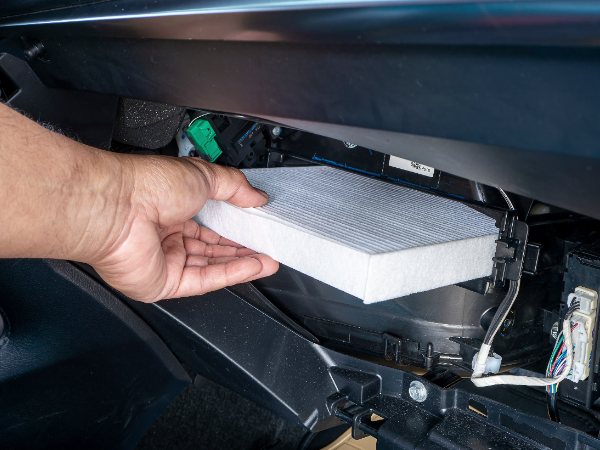
To measure accurately, remove the old Cabin Air Filter from its housing and use a ruler or caliper to record three dimensions: length, width, and thickness. Compare these measurements to the product specifications of the replacement filter you are considering. Pay attention to the shape as well—some Cabin Air Filters are rectangular panels, while others have angled corners or a specific orientation tab. The filter may also have an airflow direction arrow printed on the frame; this arrow should point toward the interior of the vehicle when installed.
If you are unsure about the exact dimensions, you can use a vehicle fitment tool. Many online filter retailers and manufacturers, including DENSO, offer vehicle lookup systems where you enter your year, make, model, and engine to identify the correct Cabin Air Filter. This reduces the risk of ordering the wrong size and ensures a proper fit.
Step 3: Match the Cabin Air Filter Media to Your Driving Environment
The final and perhaps most important step is choosing the right filter media for your specific driving conditions. The media determines what contaminants the Cabin Air Filter can capture and how effectively it cleans the air entering your cabin. There are several media types available, each suited to different needs.
Standard particulate filters use pleated paper or synthetic fiber media to capture dust, pollen, and larger particles. According to Jalopnik, a standard particle filter "can remove as much as 99% of air particles too small to see". These filters are a good choice for drivers who primarily operate in clean, rural areas or who do not experience significant allergy symptoms. They offer reliable protection at a lower cost.
Activated carbon Cabin Air Filters add a layer of activated charcoal to the filter media. This carbon layer is designed to absorb odors and trap harmful gases such as exhaust fumes, ozone, nitrogen oxides, and sulfur dioxide. AAA explains that carbon-activated filters "include a layer of activated charcoal to absorb odors and trap harmful gases like exhaust fumes or ozone". These filters are ideal for drivers who regularly sit in heavy traffic, commute through polluted urban areas, or are sensitive to strong odors. If you notice a stale, chemical, or exhaust-like smell when driving in traffic, activated carbon is the filter type you need.
HEPA (High-Efficiency Particulate Air) filters provide the highest level of filtration. They are capable of trapping very fine particles, including bacteria, mold spores, cigarette smoke, and brake dust. Jalopnik notes that HEPA Cabin Air Filters are "practically necessary for car owners with respiratory issues or those who desire the cleanest, purest air possible". While HEPA filters cost more than standard or carbon filters, they offer superior protection for allergy sufferers and those living in areas with poor air quality.
For most drivers, a combination filter that layers activated carbon over particulate media offers a practical balance of particle capture and odor control. This is particularly valuable in urban environments where both fine dust and exhaust gases are present. When selecting a Cabin Air Filter, look for products with published filtration efficiency ratings, such as ISO 16890 ePM2.5 ratings, rather than relying on vague marketing claims like "premium protection".
By following these three steps—checking the part number, measuring the old filter, and matching the media to your driving environment—you can select the correct Cabin Air Filter with confidence. A properly chosen filter will protect your health, improve cabin comfort, and extend the life of your vehicle's HVAC system.
Cabin Air Filter Selection for Cars vs Commercial Vehicles
The right Cabin Air Filter for a passenger car is not necessarily the right filter for a commercial vehicle. The two vehicle classes operate under fundamentally different conditions, and those differences directly affect filter design, media selection, and replacement strategy. Understanding these distinctions is essential for anyone sourcing Cabin Air Filters across mixed fleets or advising customers on the correct part.
Passenger Cars Need Cabin Air Filters for Daily Commuting and Allergy Control
For passenger cars, the Cabin Air Filter primarily serves the health and comfort of the driver and passengers during daily commutes. A typical passenger vehicle pulls in more than 3,500 cubic feet of air per hour during operation, and without adequate filtration, that air carries dust, pollen, and traffic-related pollutants directly into the cabin. Studies have shown that pollutant concentrations inside a cabin can be up to six times higher than outside air, making the Cabin Air Filter the only barrier between occupants and these contaminants.
Passenger car owners typically prioritize allergen control and odor reduction. Drivers who suffer from seasonal allergies benefit most from filters that capture fine pollen particles, while urban commuters who sit in heavy traffic often prefer activated carbon Cabin Air Filters to neutralize exhaust odors and harmful gases. A standard particulate Cabin Air Filter can remove as much as 99% of airborne particles too small to see, but for comprehensive protection in polluted areas, an activated carbon or combination filter is the more appropriate choice.
The replacement interval for passenger car Cabin Air Filters generally ranges from 15,000 to 30,000 miles, or at least once per year, depending on driving conditions. For vehicles operated in clean, rural environments, a standard particulate filter changed annually is often sufficient. For vehicles in urban or high-pollen areas, more frequent replacement or an upgraded filter media is advisable.
Commercial Vehicles Require Heavy-Duty Cabin Air Filters for High Dust and Long Hours
Commercial vehicles—including trucks, buses, and off-highway equipment—present a far more demanding filtration challenge. These vehicles often operate for ten or more hours per day in environments saturated with diesel soot, brake dust, construction debris, and fine particulate matter. As Corteco explains, heavy-duty Cabin Air Filters are “developed to perform reliably under harsh operating conditions” and are “engineered to meet the same performance and durability requirements found in original installations”.
The dust load on a commercial vehicle Cabin Air Filter is substantially higher than on a passenger car. A truck operating on a construction site or in an agricultural field may encounter dust concentrations that would clog a standard passenger car filter within weeks. Heavy-duty filters are designed with greater media surface area, reinforced frames, and higher dirt-holding capacity to maintain airflow and filtration efficiency over extended service intervals.
Some commercial vehicle applications demand filtration beyond standard particulate capture. Ryco, for example, has developed an N99-rated Cabin Air Filter for popular Kenworth trucks that incorporates medical-grade media technology to filter out viruses and bacteria while still promoting airflow. Luber-finer’s Extreme Clean HD Premium Cabin Air Filter combines carbon and baking soda in the media to remove nuisance odors before they reach the cabin, and is designed to prevent 98% of allergens from entering the cab.
The recommended service interval for commercial vehicle Cabin Air Filters is typically shorter in terms of mileage—often 12,000 to 15,000 miles—reflecting the more severe operating conditions these vehicles face. Valeo recommends changing the Cabin Air Filter every six months for vehicles in highly polluted areas or under frequent professional use.
Fleet Operators Should Standardize Cabin Air Filter Replacement Schedules
For fleet operators, the Cabin Air Filter is not just a comfort item—it is a preventive maintenance component that affects driver health, vehicle uptime, and HVAC system longevity. A clogged Cabin Air Filter restricts airflow through the evaporator, which can cause the evaporator to freeze and lead to costly repairs. A consistent, standardized replacement schedule across a fleet helps prevent these failures and keeps maintenance predictable.
Ryder Field Maintenance Manager Rick Bell recommends checking Cabin Air Filters at every service interval and replacing them as needed—usually twice per year. He also advises scheduling replacements in late spring or early summer, so the filter operates through pollen season with fresh media and then runs approximately nine months with a pollen-free filter before the next season begins.
Fleet managers should consider several factors when establishing a standardized Cabin Air Filter program. First, the operating environment matters: vehicles in construction, mining, or agricultural applications require more frequent replacement than vehicles on highway routes. Second, filter quality should be consistent across the fleet—using a single reputable brand or specification simplifies inventory and ensures predictable performance. Third, the replacement interval should be documented and tracked per vehicle, rather than left to ad hoc inspection. As one fleet guide notes, the Cabin Air Filter is “the cheapest, easiest maintenance item on most vehicles, and it is also one of the most commonly skipped”. Standardizing the schedule turns a frequently overlooked task into a routine, manageable part of preventive maintenance.
For fleets that operate mixed vehicle classes, it is important to recognize that passenger cars and commercial vehicles may require different Cabin Air Filter specifications. A one-size-fits-all approach can lead to improper fitment or inadequate filtration in the heavier-duty applications. Fleet managers should work with their filter supplier to match the correct Cabin Air Filter to each vehicle platform and operating condition.
Signs You Need a New Cabin Air Filter
Unlike engine warning lights or squealing brakes, a failing Cabin Air Filter rarely announces itself with an urgent alert. Instead, it degrades gradually, and the symptoms accumulate so slowly that many drivers adapt to them without realizing anything is wrong. As Christian Brothers Automotive observes, the Cabin Air Filter "doesn't make noise, doesn't trigger warning lights, and doesn't feel urgent"—which is precisely why it is so easy to ignore even as air quality and HVAC performance quietly deteriorate. Recognizing the warning signs early allows you to replace the filter before it affects your comfort, your health, or your vehicle's air conditioning system.
Reduced Airflow from Vents or Weak AC Performance
The most common and immediately noticeable symptom of a clogged Cabin Air Filter is a reduction in airflow from the vents. When the filter becomes saturated with dust, pollen, and debris, it restricts the volume of air that can pass through the HVAC system. You may notice that even at the highest fan setting, the vents blow with noticeably less force than before. Bosch's Brian Smith, territory sales manager at Bosch Mobility Aftermarket, describes this as the first major indicator: "The first big sign is … you just don't quite have the airflow coming out now, and it's taking longer to heat or cool the vehicle".
This restricted airflow has cascading effects. The blower motor must work harder to push air through the clogged filter, which increases strain on the motor and can lead to premature wear or failure. You may hear unusual noises—whistling, buzzing, or rattling—from the vents as air squeezes through the remaining gaps in the filter media. In more severe cases, the added electrical demand from the struggling blower motor can even reduce engine power output when the AC is running.
Another related symptom is delayed window defogging. A heavily obstructed Cabin Air Filter limits the system's ability to deliver air to the windshield, causing windows to fog up more quickly and clear more slowly—especially in humid or cold conditions. This is not merely a comfort issue; compromised visibility in rain or winter weather can become a genuine safety hazard.
Unpleasant Odors or Increased Dust Inside the Cabin
A dirty Cabin Air Filter is a prime breeding ground for mold, mildew, and bacteria. When the filter traps moisture along with dust and organic debris, microbial growth produces a characteristic musty, sour, or stale odor that becomes noticeable when you turn on the AC or heater. The Automotive Service Association notes that Cabin Air Filters "carry mold, as well as dust and pollen which can aggravate allergies and respiratory issues". If you detect an unpleasant smell coming from your vents, the Cabin Air Filter is often the first component to inspect.
Beyond odors, a clogged filter allows fine dust and allergens to bypass the media and circulate inside the cabin. You may notice dust settling on the dashboard, seats, and interior surfaces more quickly than before. For allergy sufferers, this can translate into increased sneezing, itchy eyes, and respiratory discomfort while driving. A controlled study on cabin filter performance found that a functioning filter removed 99% of particles larger than 3 µm and reduced allergen concentrations by over 99.9% for common pollen allergens. When the filter becomes saturated, that protective barrier essentially disappears.
Passengers with asthma or other respiratory conditions are particularly vulnerable. Without effective filtration, pollutant concentrations inside the cabin can reach levels that would be unacceptable in other enclosed spaces. As Freudenberg Filter explains, "the undesirable pollutants and particle accumulation inside the vehicle can damage the health of all passengers" over the medium and long term.
Visible Dirt, Debris, or Clogging on the Cabin Air Filter
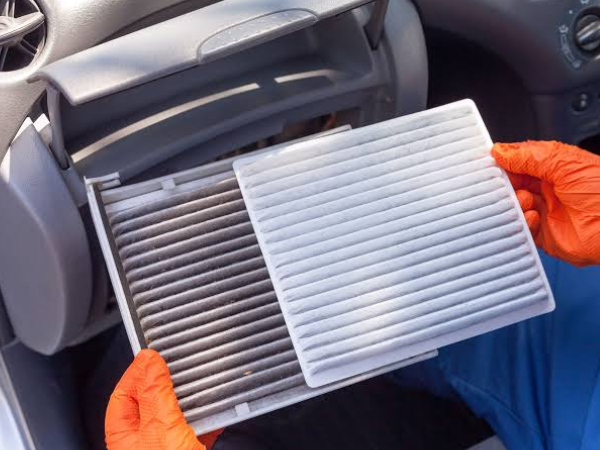
The most definitive way to confirm that a Cabin Air Filter needs replacement is to inspect it directly. Most Cabin Air Filters are located behind the glove compartment and can be accessed in a few minutes without special tools. When you remove the filter and hold it up to a light source, a clean filter allows light to pass through the pleats. A filter that is clogged will appear dark, opaque, and may be difficult to see through.
Physical inspection often reveals more than just dust. Depending on where you drive, the filter may be coated with leaves, twigs, insects, pollen, soot, and grime that covers the entire surface exposed to incoming air. Filters that have been in service for extended periods may show blackened media, deformed pleats, or visible moisture damage. According to inspection guidelines, if there is evidence of damage, excessive dirt, or abnormal odor on the Cabin Air Filter, replacement is required—the filter cannot be effectively restored by cleaning with water or compressed air.
The presence of visible debris is a clear signal that the filter has reached the end of its service life. Even if airflow symptoms are not yet obvious, a filter that is visibly clogged with organic matter and particulate buildup has lost much of its filtration capacity and should be replaced promptly. As a general guideline, most manufacturers recommend replacement every 12,000 to 15,000 miles, but visible contamination or persistent odors justify replacement regardless of mileage.
Ignoring these signs carries real consequences. A neglected Cabin Air Filter forces the HVAC system to work harder, reduces cooling and heating efficiency, allows harmful particles into the cabin, and can even contribute to blower motor failure. The cost of a replacement filter is minimal—typically between $15 and $50—while the cost of repairing a damaged blower motor or evaporator is substantially higher. When you notice reduced airflow, unusual odors, increased dust, or visible contamination, treat it as a clear signal that your Cabin Air Filter needs attention.
Common Mistakes to Avoid When Buying a Cabin Air Filter
Even experienced vehicle owners can make mistakes when purchasing a Cabin Air Filter. The consequences range from reduced air quality and unpleasant odors to premature HVAC failure. Avoiding these common pitfalls ensures that your Cabin Air Filter delivers the protection you expect and the performance your vehicle deserves.
Buying by Price Only and Ignoring Cabin Air Filter Quality
Price is an important consideration, but it should never be the sole factor in choosing a Cabin Air Filter. Low-cost filters often cut corners on media quality, frame construction, and seal integrity. A cheap filter may use thin, poorly bonded media that allows fine particles to pass through, or a flimsy frame that warps and creates bypass gaps. Bosch's Brian Smith warns that "you want to match the filter to the vehicle. If it doesn't seal, it doesn't filter" . A filter that does not seal properly is essentially useless, regardless of how little it cost.
Quality Cabin Air Filters from reputable manufacturers use advanced media—such as synthetic fibers, activated carbon, or multi-layer composites—that are engineered to capture fine particulates and harmful gases while maintaining adequate airflow. They also undergo rigorous testing to ensure they meet or exceed OEM specifications. As one industry expert puts it, "the importance of choosing a high-quality, efficient Cabin Air Filter cannot be understated. It is essential for maintaining the quality of air that vehicle occupants breathe" . Saving a few dollars on a bargain filter can lead to higher long-term costs in reduced comfort, increased allergy symptoms, and potential blower motor strain. When buying a Cabin Air Filter, prioritize quality and compatibility over the lowest price.
Using the Wrong Size or a Passenger Car Cabin Air Filter in a Commercial Vehicle
Fitment is critical. A Cabin Air Filter that is even a few millimeters too small, too large, or too thin will not seal correctly, allowing unfiltered air to bypass the media. Some buyers try to force a filter that is "close enough" into the housing, but this approach almost always results in gaps, rattles, or damage to the filter and housing. MANN-FILTER emphasizes that "exact fit and perfect tightness ensure constant filtration performance during the entire service interval" . If the filter does not fit properly, it cannot protect you.
A related mistake is using a passenger car Cabin Air Filter in a commercial vehicle. Commercial vehicles—trucks, buses, and off-highway equipment—operate under far more demanding conditions, with higher dust loads, longer daily runtimes, and greater exposure to diesel soot and debris. Passenger car filters are not designed for these conditions and will clog rapidly, restrict airflow, and fail to provide adequate protection. Heavy-duty Cabin Air Filters are built with larger media surface areas, reinforced frames, and higher dirt-holding capacity to withstand the rigors of commercial operation. Fleet operators and truck owners should always select a filter specifically designed for their vehicle class and operating environment.
Delaying Cabin Air Filter Replacement Beyond the Recommended Interval
Perhaps the most widespread mistake is simply waiting too long to replace the Cabin Air Filter. Many drivers ignore the filter until they notice a problem, but by then the filter is already clogged and performance has already suffered. Manufacturers typically recommend replacement every 12,000 to 15,000 miles, or at least once per year. However, driving in dusty, polluted, or high-pollen environments may require more frequent replacement.
A clogged Cabin Air Filter restricts airflow, forces the blower motor to work harder, and allows mold, bacteria, and allergens to accumulate in the HVAC system. As Christian Brothers Automotive notes, the filter "doesn't make noise, doesn't trigger warning lights, and doesn't feel urgent" —which is exactly why it is so often neglected. Delaying replacement can lead to musty odors, reduced cooling and heating performance, and even costly repairs to the blower motor or evaporator. Given that a replacement Cabin Air Filter is inexpensive and installation is quick, there is no good reason to postpone this simple maintenance task. Mark your calendar, track your mileage, or simply replace the filter at every oil change to stay ahead of the problem.
By avoiding these three common mistakes—sacrificing quality for price, using the wrong size or type of filter, and delaying replacement—you ensure that your Cabin Air Filter performs as intended. The result is cleaner air, greater comfort, and a longer-lasting HVAC system for your car or commercial vehicle.
Maintenance Tips for Longer Cabin Air Filter Life
A Cabin Air Filter is a consumable item, but with proper care and attention, you can maximize its service life and ensure it continues to protect your cabin air effectively between replacements. The following maintenance tips are practical, cost-effective, and applicable to both passenger cars and commercial vehicles.
Follow the Recommended Cabin Air Filter Replacement Schedule
The single most important maintenance practice is to replace your Cabin Air Filter according to the manufacturer's recommended interval. Most vehicle manufacturers suggest a replacement every 12,000 to 15,000 miles, or at least once per year. However, these intervals are based on "normal" driving conditions. If you frequently drive in dusty, polluted, or high-pollen environments, you should shorten the interval accordingly. As a general rule, inspect your Cabin Air Filter at every oil change and replace it if it appears dirty or clogged.
Fleet operators should establish a standardized replacement schedule across all vehicles to prevent neglect and ensure consistent air quality. Ryder Field Maintenance Manager Rick Bell recommends replacing Cabin Air Filters twice per year—once in late spring to handle pollen season, and again in the fall. For commercial vehicles operating in construction, mining, or agricultural environments, more frequent replacement may be necessary. Marking the replacement date on the filter housing or recording it in a maintenance log helps ensure the schedule is followed. Remember that a clogged Cabin Air Filter forces the HVAC system to work harder, which can lead to premature blower motor failure and costly repairs. Staying on schedule is the simplest way to avoid these problems.
Keep the HVAC Intake Area Clean and Free of Debris
Even the best Cabin Air Filter cannot perform optimally if the air intake area is blocked. The HVAC intake—usually located near the base of the windshield or under the hood—can accumulate leaves, twigs, pine needles, insects, and other debris. When this area becomes clogged, airflow to the Cabin Air Filter is restricted, forcing the blower motor to work harder and reducing the filter's effective service life. Periodically inspect the intake area and remove any visible debris by hand or with a soft brush. Avoid using a high-pressure water jet, which can push debris further into the system.
In addition to the exterior intake, keep the interior of the vehicle clean. Dust and debris that accumulate on the dashboard, seats, and floor can become airborne when the HVAC system is running, adding to the load on the Cabin Air Filter. Regular vacuuming and interior cleaning reduce the volume of particles the filter must capture. For commercial vehicles operating in especially dirty environments, consider installing a protective screen or pre-filter over the intake to catch large debris before it reaches the Cabin Air Filter. This simple addition can significantly extend filter life.
Use an Activated Carbon Cabin Air Filter in Polluted or Dusty Areas
If you regularly drive in urban traffic, industrial zones, or areas with high dust and pollen, upgrading to an activated carbon Cabin Air Filter is a wise investment. Activated carbon media is designed to absorb odors and harmful gases such as exhaust fumes, ozone, and nitrogen oxides, in addition to capturing particulate matter. According to Denso, activated carbon filters can remove up to 25 percent more major pollutants than standard particle filters. While they may cost slightly more, they provide superior protection for drivers and passengers in polluted environments.
For maximum filter life in dusty conditions, consider a filter with a higher dirt-holding capacity. Multi-layer media and deeper pleats increase the surface area available for capturing contaminants, allowing the filter to maintain airflow for longer periods. Some heavy-duty Cabin Air Filters, such as those designed for commercial trucks, incorporate reinforced frames and advanced media that resist clogging and deformation. When selecting an activated carbon Cabin Air Filter, look for products with published filtration efficiency ratings, such as ISO 16890 ePM2.5, to ensure you are getting genuine performance rather than marketing claims. Using the right filter for your environment reduces the frequency of replacement and keeps your cabin air cleaner between services.
By following these three maintenance tips—adhering to a replacement schedule, keeping the intake area clean, and choosing the right filter media for your driving conditions—you can extend the life of your Cabin Air Filter and protect both your health and your vehicle's HVAC system. A little proactive care goes a long way toward cleaner, fresher air inside your cabin.
FAQ About Cabin Air Filter Selection
Choosing the right Cabin Air Filter often raises practical questions. Below are answers to the most common inquiries from vehicle owners, fleet managers, and maintenance professionals.
How do I know which Cabin Air Filter fits my vehicle?
The most reliable method is to consult your vehicle's owner's manual, which lists the OEM part number and specifications for your specific make, model, and year. If the manual is unavailable, remove the existing Cabin Air Filter and look for a part number printed on its frame. You can then cross-reference that number with aftermarket equivalents from reputable brands. Measuring the old filter—length, width, and thickness—provides an additional check. Online fitment tools from manufacturers like DENSO or MANN-FILTER allow you to enter your vehicle details and receive the correct Cabin Air Filter match. As Bosch's Brian Smith advises, "You want to match the filter to the vehicle. If it doesn't seal, it doesn't filter" . Never force a filter that is not an exact fit, as bypass gaps will allow unfiltered air into the cabin.
Is an activated carbon Cabin Air Filter better than a standard one?
It depends on your driving environment and priorities. A standard particulate Cabin Air Filter captures dust, pollen, and larger particles effectively, and is sufficient for drivers in clean, rural areas. An activated carbon Cabin Air Filter adds a layer of activated charcoal that absorbs odors and harmful gases such as exhaust fumes, ozone, and nitrogen oxides. According to Denso, activated carbon filters can remove up to 25 percent more major pollutants than standard particle filters. If you regularly drive in heavy traffic, urban pollution, or areas with strong odors, the activated carbon Cabin Air Filter offers clear advantages. For allergy sufferers, a combination filter with both particulate and carbon layers provides the best balance of particle capture and gas-phase filtration.
How often should a Cabin Air Filter be replaced?
Most manufacturers recommend replacing the Cabin Air Filter every 12,000 to 15,000 miles, or at least once per year. However, driving conditions significantly affect this interval. Vehicles operated in dusty, polluted, or high-pollen environments may need a new Cabin Air Filter every 6,000 to 10,000 miles. Commercial vehicles, trucks, and off-highway equipment often require more frequent replacement due to higher dust loads and longer daily runtimes. Valeo recommends changing the Cabin Air Filter every six months for vehicles in highly polluted areas or under frequent professional use. A simple rule: inspect the filter at every oil change. If it appears dark, clogged, or damaged, replace it regardless of mileage. As Christian Brothers Automotive notes, the Cabin Air Filter "doesn't make noise, doesn't trigger warning lights, and doesn't feel urgent"—so relying on symptoms alone is not enough.
Final Thoughts
Selecting the correct Cabin Air Filter comes down to three essentials: exact fitment, appropriate media for your environment, and timely replacement. Whether you drive a passenger car or manage a commercial fleet, these factors determine how well your cabin air is protected. When in doubt, consult a trusted filtration supplier for guidance tailored to your specific vehicle and operating conditions.
Conclusion
Choosing the right Cabin Air Filter is a decision that affects your health, your comfort, and the longevity of your vehicle's HVAC system. Throughout this guide, we have explored the essential factors—from exact fitment and media selection to the differences between passenger cars and commercial vehicles, the warning signs of a clogged filter, common buying mistakes, and practical maintenance tips. By following these guidelines, you can select a Cabin Air Filter that seals properly, captures the contaminants that matter most in your driving environment, and performs reliably for its full service interval.
Whether you drive a family sedan, manage a delivery van, or operate heavy construction equipment, the principles remain the same: prioritize quality, verify compatibility, and replace on schedule. A well-chosen Cabin Air Filter is a small investment that delivers cleaner air, fewer odors, and greater driving comfort. When you need expert guidance or dependable filtration products, choose a trusted supplier who understands the unique demands of your vehicle and industry. With the right Cabin Air Filter, you can breathe easier—every mile of the journey.



Company: Shandong Topkit Construction Machinery Equipment Co., Ltd.
Phone: +86 152 6392 0563
WhatsApp: +86 152 6392 0563
Email: [email protected]
Address: 1-1-401, Hailiang Mansion, Liuhang Street, High-tech Zone, Jining City, Shandong Province, China